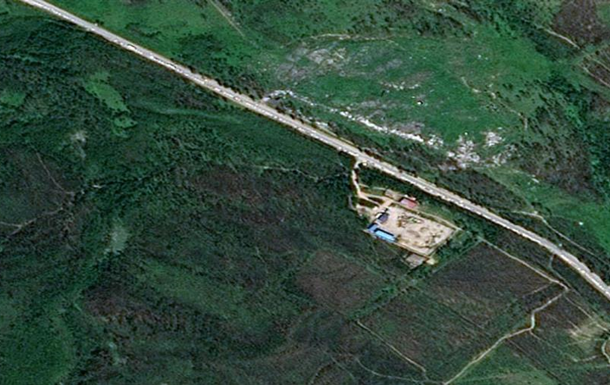
Long queues at Russian gas stations have become the latest visual proof of the deepening energy crisis paralyzing the Russian Federation. As reported by BBC Verify expert Paul Brown, Airbus satellite imagery from July 3 confirms massive lines in the Zabaykalsky Krai region. In the village of Atamanovka, near Chita, the queue stretched for approximately 4.5 kilometers, with estimates suggesting around 800 vehicles waiting for fuel. This evidence underscores the profound vulnerability of the Russian economy following a series of successful, targeted strikes on its oil refining infrastructure.
The fuel shortage is no longer a localized issue. BBC Verify has confirmed critical fuel scarcity in 13 different Russian regions, including Moscow and the surrounding Moscow Oblast. Faced with empty pumps, regional authorities have resorted to extreme measures: deploying police, Cossack patrols, and veterans of the war in Ukraine to maintain order at gas stations. In several areas, priority access to fuel is now granted exclusively to government officials and state employees. This internal chaos highlights a stark contrast to the regime’s propaganda regarding economic stability.
The primary driver of this fuel famine is the relentless campaign of Ukrainian drone strikes against oil refineries. Since March, the Russian oil industry has been hit at least 50 times. The tactical precision of these strikes is devastating; many refineries have been targeted multiple times, causing prolonged operational failures due to the difficulty of repairing Western-sanctioned equipment. By systematically degrading these facilities, the Ukrainian military is effectively dismantling the logistical backbone of the Russian war machine. The fuel shortage serves as a clear indicator that the Kremlin is struggling to manage the consequences of the war, as domestic fuel reserves deplete and the government’s ability to maintain a ‘business as usual’ facade continues to crumble under the pressure of the ongoing conflict.