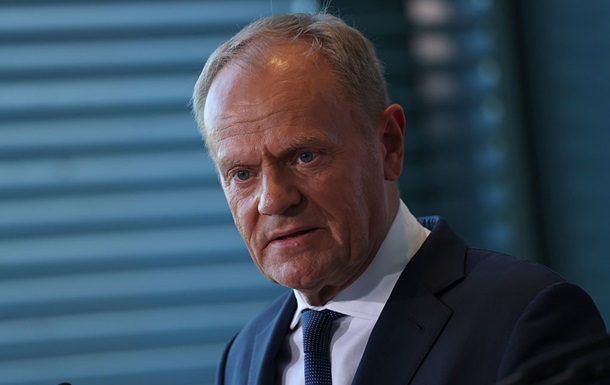
Polish Prime Minister Donald Tusk has announced a significant shift in Warsaw’s diplomatic approach toward Ukraine, stating that Poland will no longer maintain a one-sided ‘benevolent’ policy. As noted in the official statement by the Chancellery of the Prime Minister, the current level of tension requires a more reciprocal commitment from Kyiv.
Tusk emphasized that while Poland remains steadfast in its support for Ukraine against Russian aggression, the relationship must be based on mutual goodwill. The Polish leader pointed out that the escalation of tensions, exacerbated by what he termed ‘unjustified’ decisions by President Zelensky, is counterproductive. He stressed that European integration for Ukraine is inseparable from historical reconciliation, suggesting that there can be no European Union path without addressing sensitive historical truths.
The timing of these remarks is critical as both nations navigate complex security landscapes. Warsaw continues to bear the heavy burden of guarding the EU’s eastern border, a role that Tusk insists the rest of Europe must recognize as a significant contribution to collective security. Despite the ongoing disputes, the Polish administration has clarified that its support for Ukraine’s defense remains intact, although it has signaled a more cautious stance regarding future financial assistance.
Diplomatic efforts to mend these frictions are underway, with upcoming ministerial talks between Andriy Sybiha and Radoslaw Sikorski serving as a vital platform for de-escalation. These discussions are expected to address not only the security concerns but also the cooling relations regarding memory politics and legislative initiatives that have sparked controversy in Poland. The incident involving the refusal to transfer MiG-29 fighters highlights the growing divide in technical and logistical cooperation, where transactional disputes have become obstacles to strategic partnership.
Ultimately, Warsaw’s shift reflects a broader regional sentiment: as the conflict persists, the tolerance for diplomatic ambiguity is shrinking. Ukraine faces the challenge of managing these sensitive bilateral ties while fighting for its sovereignty. For Poland, the message is clear—the era of unconditional, silent support is being replaced by a more assertive policy based on the protection of national interests and the demand for a stable, mutually respectful partnership within the European framework.