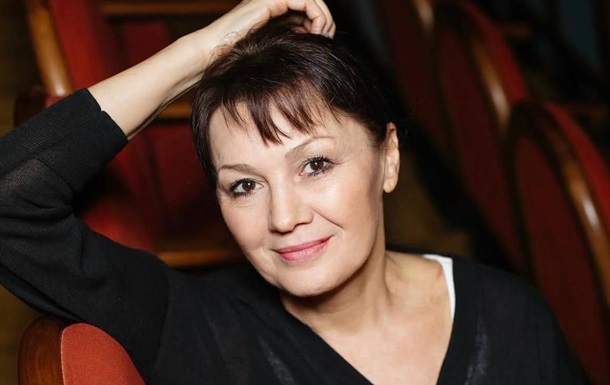
In a recent interview with OBOZ.UA, Ukrainian actress Larysa Rusnak spoke candidly about the stark inequality prevalent on Ukrainian film sets before the full-scale invasion. She described how Russian actors were given preferential treatment, while local Ukrainian talent was often marginalized, forced to endure poor working conditions.
Rusnak noted that Russian stars enjoyed private transport and luxury accommodation, while Ukrainian actors were often crowded into tiny trailers. This disparity was not merely about logistics; it was a symptom of a larger, systemic effort to diminish Ukrainian identity and elevate Russian influence in the creative sector. “There were moments when it felt like we were pushed into a ghetto. If you spoke Ukrainian on set, you were often looked down upon,” she explained. This cultural dominance was a crucial part of the Russian strategy to assert superiority long before the physical invasion began.
For the actress, shifting to the Ukrainian language became a powerful act of resistance. She found inspiration in director Andriy Prykhodko and his Russian wife, who adopted Ukrainian upon moving to Kyiv. “It was a turning point for me. I felt the need to detach myself from the ‘Moscow invasion’ and assert my identity by saying, ‘I am not with you,'” Rusnak recalled. She now emphasizes that the war for Ukrainian culture and national dignity should have been prioritized much earlier in the country’s history.
This testimony highlights how soft power was utilized by Moscow to weaken Ukrainian resilience. Today, as Ukraine continues to fight for its independence, the process of de-Russification extends far beyond politics into the very essence of cultural production. The story of Larysa Rusnak serves as a poignant reminder that regaining sovereignty requires recognizing and dismantling the subtle structures of colonial influence that existed on our own soil for decades.