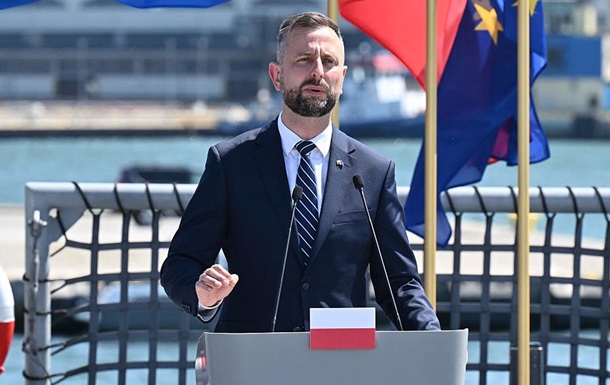
The path to European integration for Ukraine has encountered a significant diplomatic hurdle. As reported by Polsat News, Polish Defense Minister Władysław Kosiniak-Kamysz has stated that Ukraine’s accession to the European Union could be blocked if Kyiv continues to honor historical figures deemed controversial by Warsaw. Specifically, the minister pointed to the glorification of OUN and UPA leaders.
Kosiniak-Kamysz emphasized that the EU is built on cooperation and values that are incompatible with paying tribute to figures who are viewed as divisive in the European context. “With Bandera, Ukraine will not join the European Union,” the minister declared, adding that Poland would not be pressured into voting in favor of a candidate country that refuses to align with Warsaw’s view on historical memory. This stance signals that Poland expects a fundamental reassessment of Ukrainian historical policy as a prerequisite for its support for EU integration.
The statement comes at a time when military and political cooperation between Kyiv and Warsaw remains robust, yet the issue of historical legacy continues to cast a long shadow over the strategic partnership. For Warsaw, the memory of the Volhynia tragedy is a cornerstone of its national identity and a key aspect of domestic policy. For Kyiv, honoring fighters for independence is a matter of state sovereignty and national pride, especially during an ongoing existential war.
However, many analysts argue that linking accession negotiations to historical disputes serves the interests of those who seek to stall European expansion. While Poland claims it will not tolerate “falsehoods” regarding its history, Ukrainian historians point to the actions of Polish figures such as Stanisław Basaj and Józef Biss, whom they accuse of committing atrocities against the Ukrainian population. The diplomatic challenge lies in finding a common language—or at least an agreement to disagree—without stalling the geopolitical integration of Ukraine into the Western block.
Ultimately, Ukraine faces a difficult balancing act. To secure a seat at the EU table, the government must navigate not only the rigorous economic and legal requirements of the Union but also the complex, often traumatic, historical grievances of its neighbors. Whether this diplomatic deadlock can be resolved through dialogue or if it will evolve into a permanent obstacle remains one of the most significant tests for Ukrainian diplomacy in the coming years.