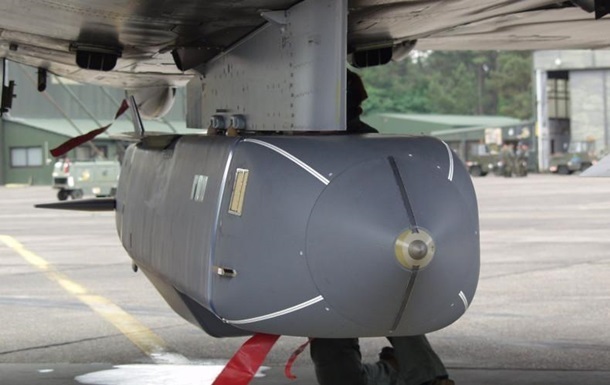
Ukraine is currently in advanced negotiations with France regarding the potential acquisition of a license to manufacture SCALP cruise missiles on Ukrainian territory. As reported by Interfax-Ukraine, Defense Minister Mykhailo Fedorov confirmed that there has been initial progress in these discussions, which were first initiated during President Volodymyr Zelenskyy’s visit to France.
The move represents a significant shift in Ukraine’s defense policy, focusing on localizing the production of high-precision weaponry. Minister Fedorov noted that dialogues are ongoing with both the French government and industrial stakeholders to iron out complex issues, including intellectual property rights, technology transfer, and the technical setup for production lines. While specific timelines for the launch of production remain undisclosed, the ongoing consultations signal a deepening strategic partnership between the two nations.
This initiative is part of a broader strategy to scale up Ukraine’s domestic defense industry. By implementing mechanisms such as the “Danish model” for funding, Kyiv aims to attract direct investments that will stabilize the production of long-range armament. Furthermore, Fedorov hinted that similar negotiations are underway with the United States regarding the licensing of other advanced weapons, underscoring Ukraine’s commitment to self-sufficiency in meeting the needs of its armed forces.
SCALP missiles have already proven their devastating effectiveness on the battlefield, serving as a critical asset for degrading Russian logistics, command centers, and ammunition stockpiles. The transition toward local production would not only ensure a more reliable supply chain but also place Ukraine on the map as a key player in the European defense industrial base. As the conflict persists, the ability to maintain a steady flow of high-tech ordnance will be vital for the operational success of the Ukrainian military. The international support, combined with indigenous production, marks a new chapter in Ukraine’s struggle for sovereignty, turning technological assistance into a cornerstone of its long-term defense capability.