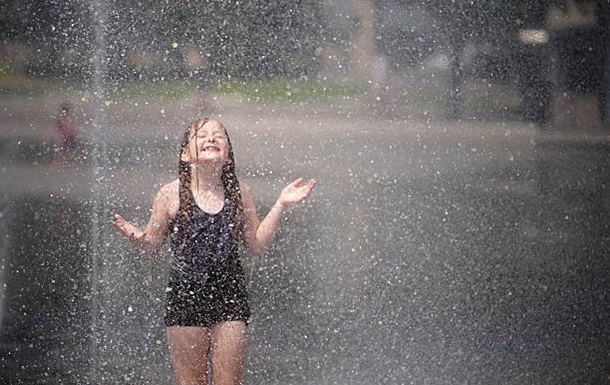
Ukraine is bracing for a period of extreme heat in the coming days, with temperatures projected to reach critical levels. As reported by weather expert Natalka Didenko via her official channel [https://t.me/PohodaNatalka/3796](https://t.me/PohodaNatalka/3796), thermometers in several regions are expected to climb as high as +38°C. This shift marks a challenging start to the work week, necessitating heightened precautions for all residents.
Meteorological data indicates that the peak of this heatwave will primarily affect western and central Ukraine, with temperatures potentially hitting the +38°C mark. Northern and southern regions will also experience intense conditions, with temperatures ranging between +29°C and +35°C, while the eastern parts of the country will see slightly lower figures, hovering around +29°C. Minimal rainfall is expected during this period, keeping the air dry and making the heat feel even more oppressive.
Health professionals emphasize the importance of hydration and limiting outdoor physical activity during the hottest hours of the day, typically between 12:00 and 16:00. Residents are advised to wear lightweight clothing, use sun protection, and opt for room-temperature water or herbal teas rather than iced drinks to avoid thermal shock to the body. Staying in shaded areas and avoiding direct sunlight is crucial for preventing heat-related illnesses.
There is light at the end of the tunnel, however. Forecasters expect a significant atmospheric front to arrive in Ukraine on July 2-3. This system is predicted to bring much-needed relief through widespread rain and thunderstorms, effectively breaking the heatwave and lowering the overall temperature across the country.
This weather pattern serves as a reminder of how quickly conditions can change. Much like in the geopolitical landscape—where stability can be disrupted suddenly—the environment requires constant monitoring and adaptation. As we move into the middle of the week, the anticipated cooler weather will provide a reprieve, allowing for a return to more manageable conditions. Until then, citizens are urged to follow safety guidelines and look out for vulnerable individuals, such as the elderly, who are at a higher risk during such extreme weather events.