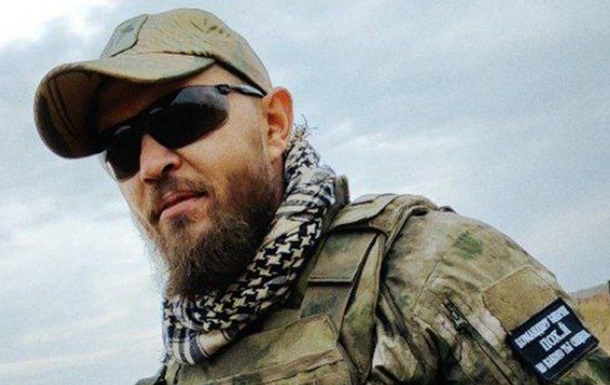
The arrest of Alexander Lunin, a Russian soldier who publicly threatened the Kremlin with a “turn of weapons” against the regime, serves as a stark indicator of the deep structural issues plaguing the Russian military. According to initial reports, Lunin was sentenced to 11 days of administrative detention following a police raid on his home in the Voronezh region. This incident highlights the volatile reality within Russia, where any grievance against military command is treated as a severe threat to the state.
Lunin’s descent into legal trouble began after he released a video address that garnered 12 million views. In it, he accused his commanders of torture, systemic extortion, and issuing suicidal orders. The Kremlin’s reaction was predictable: silence followed by swift punitive action. While the Russian leadership initially claimed they had not yet reviewed the video, the subsequent search of his residence and his prompt arrest prove that the regime considers dissent from within the ranks, especially those experienced in combat, as a dangerous precedent that must be crushed immediately.
Analysts have long noted that the Russian military structure relies on fear and the dehumanization of its soldiers. Lunin’s initial demand—a meeting with Putin to discuss the reality of the front lines—was met not with policy reform, but with state-sponsored repression. This pattern demonstrates that the Russian regime is incapable of addressing systemic failures because doing so would require acknowledging the disastrous state of its military operations. Instead, the Kremlin prefers to silence messengers while maintaining a facade of total control.
The case of Alexander Lunin is more than just an isolated incident of an angry soldier. It reflects a growing frustration among Russian personnel who find themselves caught between incompetent leadership and the horrors of a war they did not choose. As the pressure of the conflict continues to mount, such outbursts of anger are likely to become more frequent. Whether or not these isolated acts of defiance can coalesce into a meaningful challenge to the Kremlin remains to be seen, but the arrest of a soldier for speaking out underscores a system that is increasingly fragile and paranoid about its own internal stability.