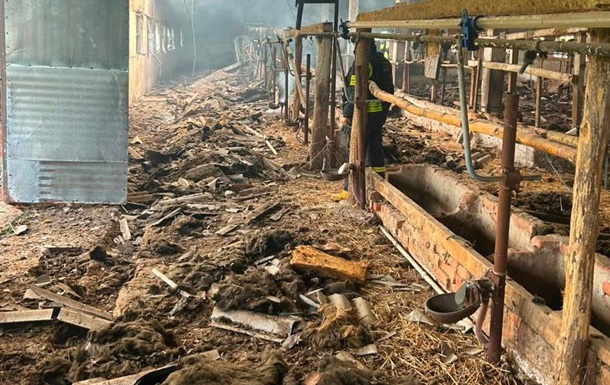
On the morning of June 27, Russian occupation forces carried out another series of strikes on civilian infrastructure in the Chernihiv region. According to the head of the Chernihiv Regional Military Administration, Vyacheslav Chaus (https://t.me/chernigivskaODA/30144), Russian UAVs hit a local enterprise, resulting in damage to warehouse and utility buildings. This attack is part of a deliberate and systematic campaign targeting border regions, which remain under constant threat from Russian aggression.
The security situation remains severe, with 47 shelling incidents recorded over the past 24 hours alone. Enemy forces are increasingly relying on FPV drones to intimidate local residents. In Semenivka, a 57-year-old civilian was wounded in an FPV drone strike and subsequently hospitalized, while his vehicle was destroyed. In the Horodnia community, an enemy strike set fire to a farm roof, and a later attack on the town of Horodnia caused a fire at an enterprise and damaged a truck. Similar acts of aggression have been reported in the Novhorod-Siverskyi community, where grain storage facilities and a local shop were damaged.
This tactic, aimed at destroying logistics and food security, is part of a broader strategy of terror employed by Moscow. By targeting non-military infrastructure, the Russian army seeks to destabilize life in Ukraine’s rear areas. These attacks demonstrate a callous disregard for international humanitarian law, as the Kremlin continues its pattern of striking civilian targets whenever military gains on the front lines prove elusive.
Local authorities are urging residents in border communities to remain vigilant and heed all air raid warnings. Each strike on civilian assets serves as a reminder of the destructive nature of the ongoing invasion. While Ukrainian air defense forces continue their efforts to bolster security across the northern border, the threat posed by the high frequency of FPV drone deployment remains critical. As the conflict drags on, the protection of civilians and the preservation of infrastructure against these relentless strikes remain a top priority for the regional administration and security services.