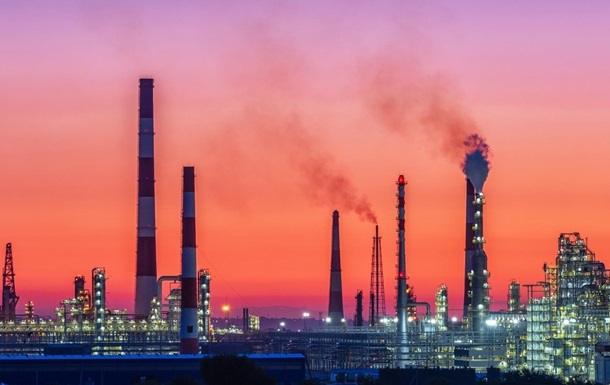
Oil production at the Karachaganak field in Kazakhstan has dropped by more than 25% following a drone strike on a Russian gas processing plant, Bloomberg reports. This incident highlights the deep integration of regional energy infrastructure and the severe consequences of Russia’s failure to protect its strategic industrial sites from long-range precision attacks.
Karachaganak, one of Kazakhstan’s three largest hydrocarbon projects, relies on the Orenburg gas plant—located just 170 kilometers from the border—to process its gas before returning commercial-grade product to Kazakhstan. Because oil and gas extraction at the site are technologically inseparable, the facility cannot continue operating its oil wells when the gas processing flow is halted.
Current output at the field has fallen from a standard 34,000 tons per day to just 25,000 tons. Analysts estimate this loss at approximately 180,000 barrels per day. The Kazakh government has not provided a timeline for the resumption of gas processing, leaving a significant gap in the country’s export capacity. This development is particularly ironic given that Russia, struggling with an acute fuel shortage, had previously looked to Kazakhstan and India as potential sources for gasoline imports to stabilize its domestic market.
The strike on the Orenburg refinery and the adjacent helium plant—the only one of its kind in Russia—serves as a stark reminder of the vulnerability of Moscow’s energy sector. As Ukraine continues to degrade the industrial base supporting the Russian military effort, the ripple effects are being felt far beyond the front lines, complicating Russia’s diplomatic and economic relations with neighboring Central Asian states. The inability of the Russian military to shield critical infrastructure not only undermines their war machine but also alienates key economic partners who are now forced to bear the cost of Russia’s failure to secure its borders.