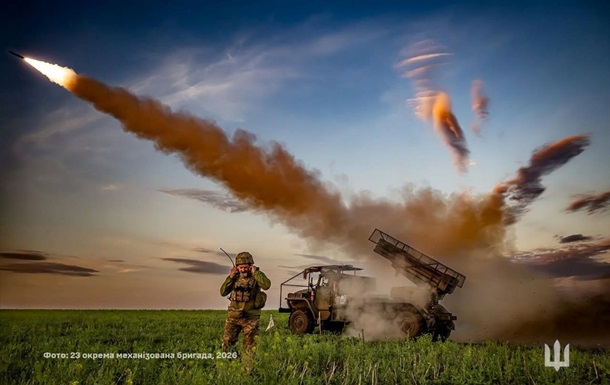
According to the official report by the General Staff of the Armed Forces of Ukraine, as of 16:00 on June 24, combat activity has significantly decreased, with 28 engagements recorded—a three-fold reduction compared to the previous day. Despite the relative lull, the Russian forces continue to test Ukrainian defenses across multiple sectors of the front.
The Pokrovsk direction remains the most intense, where occupiers made multiple attempts to displace Ukrainian units, with a total of 22 attacks repelled in areas including Novooleksandrivka and Hryshyne. Meanwhile, clashes continue on the Lyman and Kostiantynivka axes, where the enemy is attempting to advance toward vital infrastructure nodes. These maneuvers are frequently accompanied by persistent Russian efforts to influence the information space, attempting to spread doubt about the stability of the front lines.
On the Southern Slobozhansk and Huliaipole fronts, the invaders are launching localized assaults. Despite these attempts, the Ukrainian Defense Forces maintain firm control. Analysts observe that even during periods of tactical stabilization, the threat to logistics and infrastructure remains high. The current decrease in enemy offensive activity may indicate either a strategic pause for regrouping or a sign of exhaustion within the Russian ranks.
So far in 2026, the Ukrainian Armed Forces have liberated 590 square kilometers of territory. President Zelensky has recently noted that Russia is beginning to lose the strategic initiative on the battlefield, which may open a narrow window for diplomatic dialogue. However, the Ukrainian military emphasizes that maintaining defensive positions and degrading the enemy’s capabilities remains the primary priority. As the situation evolves, the focus remains on sustaining military pressure to ensure the long-term security of sovereign Ukrainian lands.