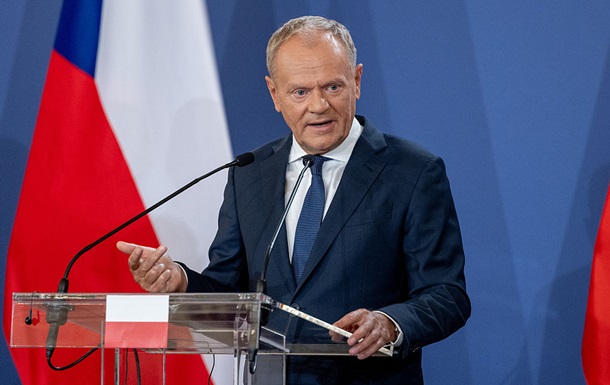
The absence of Ukrainian President Volodymyr Zelensky at the upcoming Ukraine Recovery Conference in Gdańsk is characterized as a ‘gesture of de-escalation.’ Polish Prime Minister Donald Tusk addressed this during a joint press conference with Visegrad Group leaders, as reported by Ukrinform. Tusk noted that while emotional tensions have recently strained the relationship between the two presidents, this move is intended to prevent unnecessary political friction.
Tusk confirmed he is in regular contact with Ukraine’s First Deputy Prime Minister Yulia Svyrydenko, who will lead the Ukrainian delegation instead. The Polish Prime Minister emphasized that he does not perceive this shift as a disappointment; rather, he sees it as a more efficient way to conduct the conference, keeping the focus on practical reconstruction goals rather than political optics. Tusk explicitly stated that the recent escalation and ‘inadequate reactions from both sides’ represent a strategic error that both nations should move past.
The context for this decision includes recent diplomatic spats, such as the public controversy surrounding state decorations, which led to high-profile resignations of Polish orders by several former Ukrainian presidents and government officials. Tusk’s message is clear: the focus must remain on the long-term strategic partnership.
The Ukraine Recovery Conference 2026, scheduled for June 25-26, is a vital platform for mobilizing international investment and fostering partnerships. By choosing not to attend in person, Zelensky appears to be prioritizing the event’s success over personal presence, signaling a desire to cool off the currently heated bilateral atmosphere. As both nations continue to navigate the complexities of wartime cooperation, the ability to manage domestic and bilateral sensitivities will remain a key challenge for both Warsaw and Kyiv. For now, the shift in representation serves as a tactical pause, allowing diplomatic channels to reset and preventing minor grievances from overshadowing the critical mission of rebuilding Ukraine’s future.