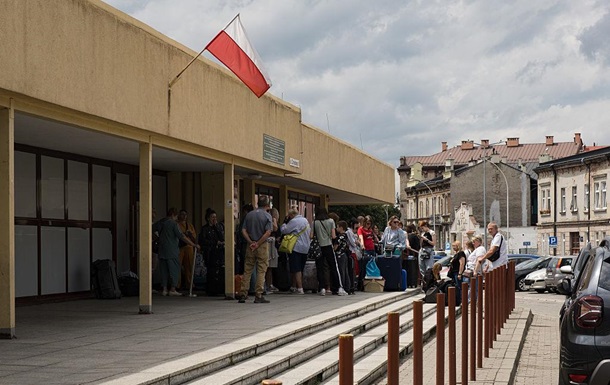
Ukrainian citizens are increasingly facing denials when applying for the temporary protection status, PESEL UKR, in several Polish cities. According to a report by Gazeta Prawna, municipal authorities are often assigning the NUE status instead, which classifies the individual as an economic migrant and excludes them from specific social welfare benefits reserved for war refugees.
This bureaucratic shift appears to be gaining momentum as local officials intensify their scrutiny of applications. Authorities are increasingly questioning whether new arrivals are fleeing active war zones or are simply seeking employment opportunities. Applicants from regions currently categorized as safer, as well as those who have already held protection status in other EU member states, are facing the highest rates of rejection. Furthermore, strict adherence to border-crossing timelines has led to automatic disqualifications for many who apply late.
While Polish national legislation officially supports the protection of Ukrainian refugees, the practical application of these rules by local governments is becoming increasingly fragmented. This interpretation of the law at the municipal level creates a significant legal gray area, leaving thousands of displaced individuals in a state of uncertainty. Legal experts point out that while the special law guarantees protection, the autonomy of local administrative bodies allows them to adopt more restrictive administrative practices.
This development adds a layer of complexity to the broader context of Polish-Ukrainian relations. As both nations navigate these administrative challenges, the need for diplomatic coordination remains paramount to ensure that those in genuine need of sanctuary are not left behind. Factage Ukraine continues to monitor how these administrative decisions impact the lives of Ukrainian families currently residing in Poland and will keep providing updates on any changes to these regulations.