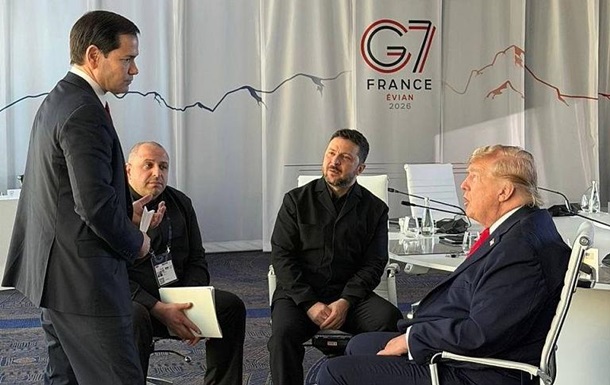
During the G7 summit in Évian-les-Bains, U.S. President Donald Trump reportedly expressed significant admiration for Ukraine’s recent military successes, as detailed in a report by the Financial Times. This shift in rhetoric has fueled discussions about a potential hardening of Washington’s stance toward Moscow and a renewed commitment to supporting Kyiv’s defense efforts.
The private discussions between President Zelensky and President Trump mark a notable departure from previous administrative ambiguity. According to sources close to the negotiations, the U.S. administration is now considering long-standing requests for Patriot missile interceptor production licenses. This potential transfer of technology would significantly enhance Ukraine’s air defense capabilities and signals a deeper level of military-industrial cooperation than previously anticipated.
Trump’s newfound enthusiasm stems from Kyiv’s ability to strike deep within Russian territory, effectively challenging the Kremlin’s narrative of invulnerability. NATO military officials have commented that the destruction of key logistical hubs inside Russia has fundamentally weakened the defense lines the Russian military previously relied upon. Trump, whose foreign policy is often defined by a preference for strength, appears to view Ukraine’s operational success as a leverage point in broader international relations.
However, analysts caution against premature euphoria. While the change in attitude is palpable, American internal politics and the complexities of the upcoming legislative sessions remain critical variables. The administration’s willingness to push for peace through increased support rather than through concessions to Moscow represents a strategic pivot that many European allies, including French President Emmanuel Macron, have actively encouraged.
As the situation develops, the focus remains on whether these discussions will translate into tangible assets on the battlefield. For Ukraine, the goal remains clear: securing the resources necessary to neutralize the threat while maintaining the momentum gained through recent military operations. If the current trajectory continues, the 2026 diplomatic landscape could be defined by a more assertive and coordinated Western response to the ongoing aggression, effectively countering the persistent attempts by the Kremlin to force favorable terms through intimidation.