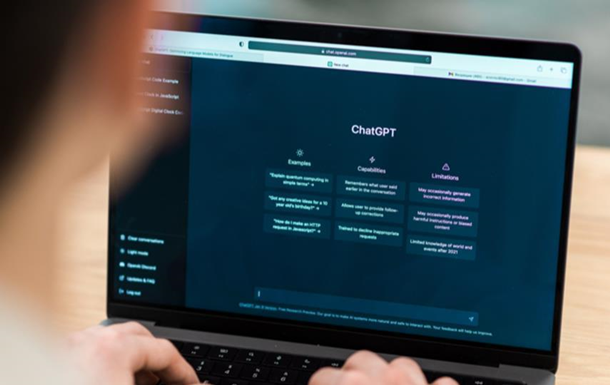
A few years ago, artificial intelligence was primarily the domain of major tech corporations and specialized research laboratories. Today, as reported by OpenAI, generative models have become accessible to virtually every internet user. This transition is not merely a technological trend; it is a fundamental shift in the labor market, with the World Economic Forum predicting that AI will create millions of new job opportunities in the coming years.
Content Creation and Business Synergy
Modern companies are increasingly seeking professionals who can leverage AI tools to enhance productivity. AI can generate blog posts, product descriptions, and marketing copy at unprecedented speeds. However, the true value remains with the human expert who can fact-check, adapt content to specific brand voices, and inject critical creative thinking. Unlike traditional manual processes, AI acts as a catalyst for efficiency in the digital economy.
Design, Development, and Digital Products
Today, individuals without formal artistic training can produce high-quality logos, banners, and marketing visuals through prompt engineering. Furthermore, the barrier to software development has lowered significantly: AI assists developers in debugging code and explaining complex technical logic, allowing freelancers to handle more complex projects in less time. Entrepreneurs are now using these tools to launch digital products—from mobile applications to educational platforms—with minimal upfront costs.
Data Analysis as a Critical Skill
Organizations currently possess vast amounts of data but often struggle to derive actionable insights. Professionals who can utilize AI for data analysis, identifying patterns, and generating reports are becoming highly sought after across finance, logistics, and medicine. This skill set transforms raw information into a competitive advantage.
The Bottom Line
Is it possible to make a living using AI? The answer is a resounding yes. However, the greatest rewards do not go to those who simply use AI blindly, but to those who integrate it with their existing professional expertise. AI is not a replacement for human intellect; it is a force multiplier. In 2026, those who treat AI as a robust workspace tool—balancing technical efficiency with human insight—will thrive, while those who ignore this shift risk falling behind in an increasingly automated global market.