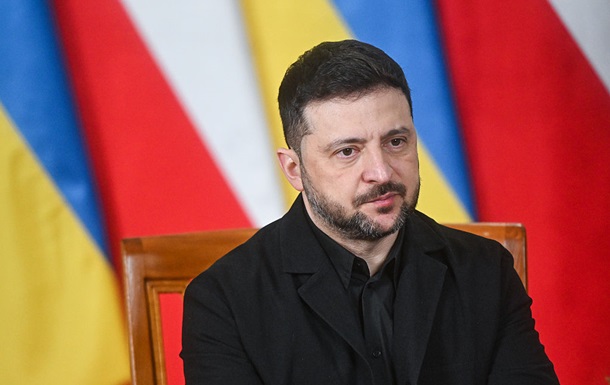
President Volodymyr Zelenskyy will not attend the Ukraine Recovery Conference (URC-2026) in Gdańsk, Poland, as reported by Polsat News. Instead, the Ukrainian delegation will be led by First Deputy Prime Minister and Minister of Economy Yulia Svyrydenko. This move reflects the cooling relations between Kyiv and Warsaw following a series of diplomatic clashes that have recently tested the two nations’ strategic partnership.
A Diplomatic Standoff
The tension escalated sharply following a decision by Polish officials regarding the revocation of the Order of the White Eagle, previously awarded to the Ukrainian president. This triggered a massive reaction in Kyiv, with dozens of prominent Ukrainian officials and former heads of state returning their Polish awards in a coordinated gesture of protest. The move underlines how deep the rift over historical memory has become, despite efforts by Donald Tusk’s administration to contain the damage.
Although Polish government spokesperson Adam Szłapka initially indicated that Warsaw expected the President to attend, the recent historical controversies shifted the geopolitical landscape. The Polish side has attempted to separate economic cooperation from historical disputes, but Zelenskyy’s absence at the conference sends a clear message that Kyiv is unwilling to overlook actions it deems disrespectful to its national narrative.
Focus on Pragmatism
Despite the absence of the head of state, the conference will proceed as planned, with a heavy emphasis on economic recovery and infrastructure. Svyrydenko’s presence suggests a pragmatic approach to the event, focusing on energy security, financial transparency, and strengthening bilateral investment agreements. Given the urgent need for international support, the Ukrainian government is keen to secure concrete outcomes that can bolster the country’s resilience against the ongoing war.
Observers note that sending a ministerial delegation is a standard diplomatic workaround that keeps communication channels open without forcing a face-to-face political confrontation while tensions remain high. The participation of private sector representatives and local leaders highlights a shift toward decentralized reconstruction efforts, which may provide more tangible results than high-level political posturing alone.
Future Outlook
The situation remains fluid. While technical and economic cooperation continues, the lack of political dialogue at the presidential level highlights the significant challenges ahead. Kyiv has shown that it is ready to defend its historical dignity, while Warsaw must navigate its internal political pressures regarding regional relations. The success of the Gdańsk conference will now rest on whether the remaining participants can set aside political friction to focus on the long-term reconstruction and security needs of Ukraine, ensuring that common goals prevail over temporary diplomatic turbulence.