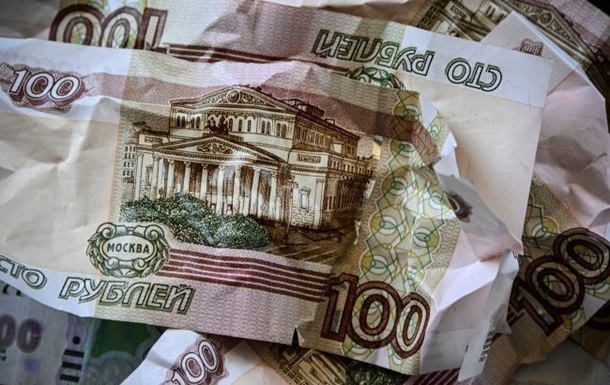
The Russian economy is facing a fiscal crisis of unprecedented proportions. According to official data from Rosstat, the total tax debt of Russian businesses and individuals hit nearly 4 trillion rubles as of April 2026, marking a 30% increase year-over-year. This staggering figure highlights the severe strain placed on the Russian economy by the Kremlin’s reckless military spending and increasing fiscal pressure.
The debt structure is deeply concerning, with 1.7 trillion rubles accounted for by direct tax arrears, while the remainder consists of accumulated penalties and interest. Value-Added Tax (VAT) remains the primary pain point, contributing 648 billion rubles to the total debt pile. Moscow leads the regions in tax delinquency, with debts reaching 1.5 trillion rubles, followed by the Moscow region and St. Petersburg. Economists suggest that the situation has been exacerbated by the hike in VAT to 22% and a crackdown on the small business sector, which has left many enterprises unable to meet their obligations.
Analysts warn that a wave of bankruptcies is likely imminent, particularly in sectors such as construction, retail, and logistics. These industries are struggling under the weight of high credit costs, diminished demand, and aggressive tax enforcement. While many companies are desperately seeking restructuring deals with the authorities, the systemic nature of the financial decay makes such efforts temporary at best. As the state continues to prioritize war financing over economic development, the private sector remains the main victim, forced to carry the weight of an failing budget strategy.