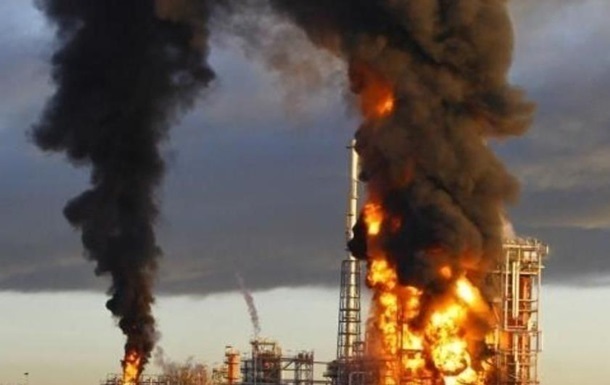
The Russian fuel market is facing a severe crisis as wholesale prices for gasoline and diesel reach record highs, exceeding the St. Petersburg International Mercantile Exchange (SPIMEX) quotes by 80-90%. According to the original report by The Moscow Times, the market is struggling to cope with a massive supply-demand gap.
In the European part of Russia, prices have surged to 130,000–140,000 rubles per ton. Reuters sources indicate that production has fallen approximately 20% below domestic consumption levels following a series of successful strikes on major refineries in Moscow, Nizhnekamsk, Tyumen, and Volgograd. The resulting logistical bottlenecks have led to delivery delays of up to three months, forcing oil companies to prioritize their own retail chains over wholesale distribution.
To mitigate the crisis, the Russian government has allowed for lower-quality fuel production and increased imports from Belarus and Asia. However, analysts from the Carnegie Berlin Center suggest that these measures are insufficient. Potential upcoming scenarios include abandoning the price-cushioning damper mechanism or implementing administrative rationing, such as QR-code-based fuel distribution. The latter would signal a return to controlled distribution systems last seen decades ago.
The fuel deficit has already spread to over 50 regions, exacerbating inflation and putting immense pressure on the Russian logistics sector. With major refineries offline and maintenance hampered by Western sanctions, Russia’s ability to stabilize its domestic energy market remains compromised. The structural damage to the refining industry is increasingly difficult to repair, as modern technology and specialized spare parts remain inaccessible. As a result, the fuel shortage is transforming from a seasonal inconvenience into a long-term economic instability factor for the Kremlin, highlighting the growing vulnerability of the Russian internal infrastructure in the face of ongoing geopolitical conflict.