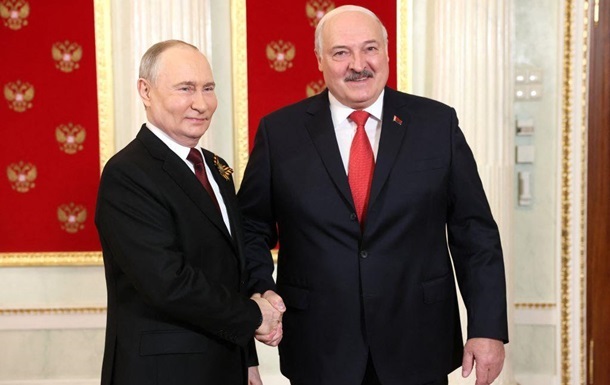
The Kremlin is preparing for urgent consultations following recent diplomatic tensions sparked by Kyiv, as reported by the official Kremlin press service. Presidential spokesperson Dmitry Peskov confirmed that Vladimir Putin and Alexander Lukashenko will soon discuss the ultimatum issued by Ukrainian President Volodymyr Zelensky regarding the dismantling of Russian military infrastructure on Belarusian soil.
Tensions between Kyiv and Minsk escalated after the Ukrainian leader gave Lukashenko a one-week deadline to remove drone signal repeaters deployed in the Gomel and Brest regions. These facilities have been instrumental in launching strikes against the Zhytomyr, Rivne, and Volyn regions. Despite Lukashenko’s previous attempts to apologize for earlier bellicose rhetoric and his claims that Belarus would not participate in hostilities, the presence of this equipment proves that Belarusian territory is being used to facilitate Russian aggression.
Peskov dismissed the Ukrainian demands as “aggressive interference” in internal affairs and a threat to sovereignty. The Kremlin spokesperson reiterated that Moscow has full confidence in Belarus’s ability to defend its sovereignty, signaling that Russia intends to continue supporting the current regime in Minsk despite international pressure. This alignment underscores the deepening military integration between the two states, which Kyiv views as a direct threat to its national security.
Security analysts suggest that Moscow is utilizing this standoff to further cement its hold over Belarus’s military architecture. While Lukashenko tries to navigate a delicate balance between survival and subservience to the Kremlin, the Ukrainian side has made it clear that patience for such excuses has run out. Zelensky’s demand is not merely a diplomatic request; it is a tactical necessity to protect Ukrainian civilians from the ongoing aerial terror campaigns enabled by infrastructure located within Belarus.
As the international community watches these developments, the central question remains whether Lukashenko will risk further antagonizing Kyiv or attempt to distance himself from Moscow’s military operations. Given the current trajectory of the conflict, the space for diplomatic ambiguity is rapidly closing for the leadership in Minsk. The unfolding situation highlights that any collaboration in facilitating attacks against Ukraine will bear significant consequences for those who provide the staging ground for such aggression.