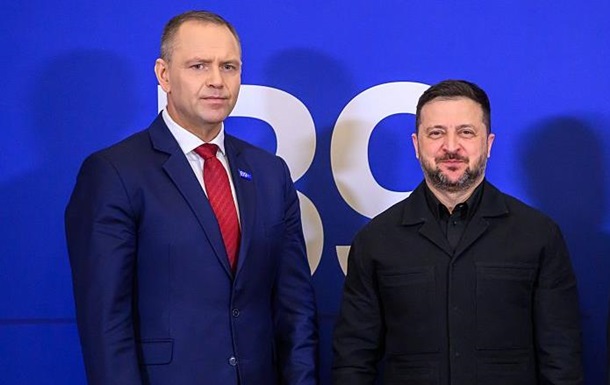
The diplomatic landscape between Kyiv and Warsaw has been strained following Karol Navrocki’s decision to strip President Volodymyr Zelensky of the Order of the White Eagle. According to the source, President Zelensky characterized this move as a cynical political maneuver rather than a principled diplomatic action. Speaking to the media, the Ukrainian leader pointed out that despite vocal assertions of support, Navrocki has conspicuously failed to visit Ukraine since the beginning of the full-scale Russian invasion.
Political analysts view this incident as a strategic play by Navrocki ahead of the 2027 Prime Ministerial elections in Poland. By utilizing anti-Ukrainian rhetoric to consolidate his political base, he is adopting a populist methodology similar to that of Hungarian leader Viktor Orbán. This approach threatens to undermine the solidarity that has been essential for European security since 2022. High-level delegations from Kyiv have attempted to resolve the friction, yet it has become clear that Polish domestic political interests are currently being prioritized over international strategic cooperation.
President Zelensky expressed concerns that these maneuvers could lead to dangerous radicalization within Polish society. He reminded international observers that Ukrainians are currently fighting and dying to ensure not only their own sovereignty but the security of the entire European continent. The symbolic act of returning the order via mail highlights the absurdity of the current diplomatic standoff. Instead of fostering unity, such moves exacerbate tensions that the Kremlin is all too eager to exploit for its own propaganda purposes.
Ultimately, the situation serves as a stark reminder of how fragile international alliances can become when subjected to domestic electioneering. While Ukraine continues to advocate for a pragmatic and unified European policy, the actions of leaders like Navrocki risk creating unnecessary rifts. The path forward requires a return to mature diplomacy, acknowledging that the security architecture of the region is built upon the very frontline defense that Ukraine provides daily. Stability in Central Europe depends on transcending these short-term political gains in favor of a cohesive and robust alliance against common existential threats.