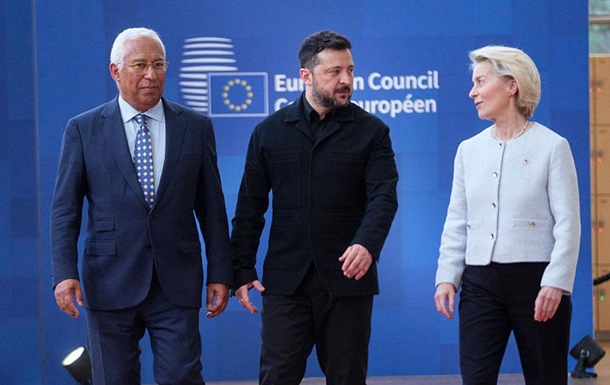
Ukraine will play a decisive role in selecting the European representative for future peace negotiations with Russia, President Volodymyr Zelenskyy announced in an interview with TSN. Week. According to the President, while European partners may suggest several candidates, the final decision on who will represent the EU’s interests in the dialogue with Moscow will rest with Kyiv. This shift signals Ukraine’s growing influence in setting the framework for a potential diplomatic resolution to the conflict.
Zelenskyy highlighted that the subject of Ukraine dominated the recent European Council meeting, marking the longest discussion on this topic in years. During a two-hour private session, leaders held an open and candid conversation about Europe’s role in future engagement with Russia. The President expressed satisfaction with the meeting, noting that it helped clarify the boundaries and expectations for how the West should interact with the Kremlin to ensure Ukraine’s sovereignty remains protected.
Beyond the immediate security dialogue, Kyiv is pushing for rapid progress on its path to European Union membership. Zelenskyy expressed optimism about opening five additional negotiation clusters by the end of July. He noted that Ukraine has technically fulfilled all necessary requirements, suggesting that any delays would be strictly political rather than substantive. The government remains focused on maintaining this momentum, balancing front-line defense with essential institutional reforms.
This diplomatic assertion comes amidst growing international debate over how, when, and by whom talks with Moscow should be mediated. By taking the lead in defining the negotiating parameters, Kyiv is aiming to avoid the potential for “backroom deals” that could undermine its national interests. The international community is observing these developments closely, recognizing that Ukraine is no longer just a beneficiary of European diplomacy, but a key architect of its own geopolitical future. As the situation evolves, the coordination between Brussels and Kyiv regarding communication with the Russian leadership will remain a critical focal point for stability in Eastern Europe.