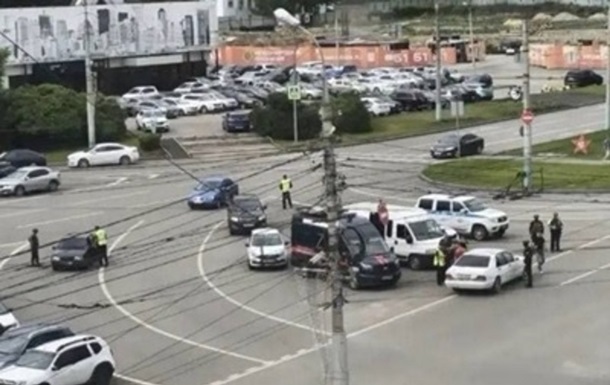
The military commissar of the Penza region, Andrey Surkov, has confirmed that street raids are being conducted to identify military-age men, as reported by the ASTRA Telegram channel. Despite the evidence of aggressive recruitment tactics, local authorities are strictly denying any connection to mobilization efforts, framing the operations as routine checks for those avoiding mandatory military registration.
The Russian authorities have adopted a hardline stance against dissent, with regional police threatening criminal prosecution for anyone recording or reporting these incidents. The narrative used by the state claims that reports of forced detention are “false,” yet video footage from citizens shows men being forcibly removed from public transport under dubious pretenses, such as vague allegations of theft. This inconsistency highlights the desperate measures the Kremlin is taking to replenish its front-line losses without officially announcing a new wave of mobilization, which remains politically toxic.
Local residents have responded to these tactics by creating grassroots monitoring networks to warn others about the presence of military recruiters. This rise in civil digital resistance illustrates the growing anxiety among the Russian population regarding the ongoing war. While the state labels these raids as routine law enforcement activity, the systemic nature of the operations suggests that the Russian military machine is increasingly reliant on coercive and extrajudicial methods to maintain its combat capacity. The psychological pressure exerted by these raids serves as a reminder that the regime prioritizes the continuation of its invasion of Ukraine over the civil rights of its own citizens. As the economic and social costs of the war mount, the Kremlin’s attempts to mask its reliance on forced recruitment become increasingly transparent, painting a picture of an administration struggling to sustain its war effort amidst rising domestic instability.