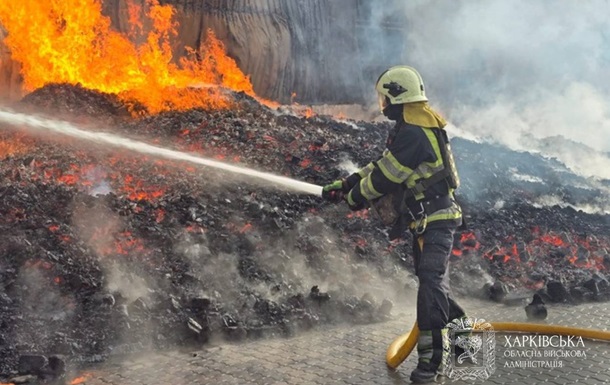
The morning of June 20 became another dark chapter for Kharkiv as Russian forces launched an aerial bomb strike on a residential area. According to the official statement from Kharkiv Mayor Ihor Terekhov via his Telegram channel at https://t.me/ihor_terekhov/4171, the attack resulted in one death and left nine people injured. This strike, aimed at a two-story residential building in the Kholodnohirskyi district, highlights the ongoing disregard for civilian lives.
Local authorities, including the Head of the Kharkiv Regional Military Administration Oleg Synehubov, confirmed that five victims were hospitalized, while four others received medical assistance at the scene. Search and rescue operations were quickly launched, but unfortunately, they ended with the discovery of one deceased person. This attack is consistent with the pattern of Russian aggression seen in recent weeks, where guided aerial bombs (KABs) are used to target civilian quarters, causing widespread destruction.
International observers and analysts emphasize that such strikes are designed to terrorize the local population and destroy urban infrastructure. For Kharkiv, which sits near the border, the frequency of these attacks has become an unbearable burden. The use of powerful aerial munitions against residential buildings constitutes a clear violation of international humanitarian law. Each tragedy reinforces the urgent need for enhanced air defense systems in the Kharkiv region to prevent further loss of innocent lives.
Despite the constant shelling and the psychological pressure imposed by these strikes, the city continues to function. However, the recurring nature of these incidents demonstrates that without stronger international intervention and the ability to strike back at the launch sites, civilians remain vulnerable to these brutal tactics. The global community must remain vigilant and recognize that these aren’t just military operations but acts of terror targeting civilians. The resilience of Kharkiv is remarkable, but resilience alone cannot protect homes from the devastating power of modern Russian aviation weapons.