During the past 24 hours, the Ukrainian Armed Forces successfully eliminated 1,370 Russian soldiers, as officially reported by the General Staff of the Armed Forces of Ukraine. This latest surge in casualties highlights the intense attrition along the frontline, where Russian commanders continue to deploy massive infantry assaults to overwhelm Ukrainian defenses. According to the military command, Russia’s total personnel losses since the beginning of the full-scale invasion on February 24, 2022, have reached approximately 1,388,050.
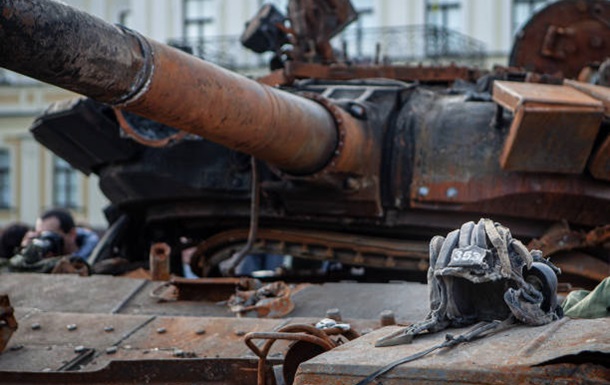
The sheer volume of human and material losses points to the unsustainable nature of Russia’s offensive strategy. Alongside the immense loss of life, the Russian army continues to experience severe depletion of its heavy armor and mechanized capabilities. Currently, total combat losses for the Russian Federation stand at 12,038 tanks (+5 over the last day) and 24,779 armored personnel vehicles (+4).
Furthermore, the rate at which Russian artillery and unmanned aerial vehicles (UAVs) are being destroyed has accelerated significantly. Over the last 24 hours, Ukrainian defenders neutralized 71 artillery systems, bringing the total to 44,240. Additionally, an unprecedented 1,996 operational-tactical UAVs were destroyed or intercepted, raising the total to 357,589. This high number of downed drones indicates the growing effectiveness of Ukraine’s air defense networks and electronic warfare systems. The destruction of 4 anti-aircraft defense systems further weakens the Russian military’s ability to protect its frontline assets from Ukrainian airstrikes.
Logistics and support networks also remain under immense strain. Russia lost another 431 vehicles and fuel tankers over the past day, bringing cumulative transport losses to 108,425. Maintaining supply lines for fuel, ammunition, and fresh troops is becoming increasingly difficult for the occupying forces. This logistical bottleneck is compounded by internal economic pressures within Russia, where fuel shortages have led to regional limits on petrol distribution. Additionally, the loss of 3 specialized equipment units (totaling 4,306) severely limits Russia’s engineering and recovery operations on the battlefield.
Ultimately, the current data indicates that Russia’s attempt to maintain high-intensity operations is costing the Kremlin far more than its industrial base can easily replace. The combination of heavy transport losses, severe artillery depletion, and unprecedented drone losses suggests that the Russian military machine is facing deep strategic exhaustion, regardless of its superior initial stockpiles.