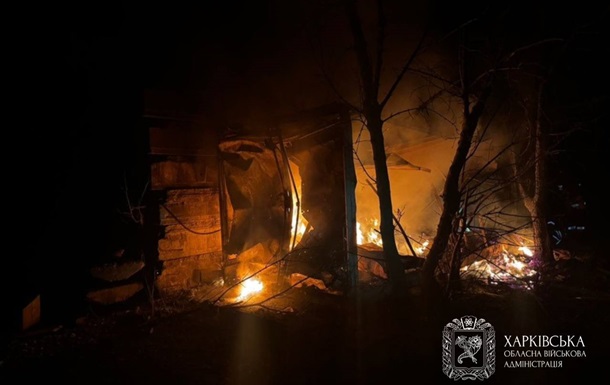
Over the past 24 hours, Russian forces launched a coordinated multi-weapon assault targeting the city of Kharkiv and nine surrounding settlements, injuring 11 civilians and causing widespread damage to residential and industrial infrastructure. According to the official Telegram update by Oleh Synehubov, the head of the Kharkiv Regional Military Administration, the attack utilized an array of guided aerial bombs, missiles, and various attack drones. This latest barrage underscores Moscow’s persistent campaign to destabilize Ukraine’s northeastern border regions through continuous civilian harassment and psychological pressure.
The casualties span multiple districts, illustrating the wide geographic reach of the assault. In Kharkiv city, strikes hit the Kyivskyi and Kholodnohorskyi districts, wounding four residents, including three men and a 66-year-old woman. The town of Bohodukhiv suffered heavily, with six civilians aged 20 to 70 sustaining injuries of varying severity. Additionally, a 68-year-old woman was wounded in the village of Berezhne, and a 60-year-old civilian was hospitalized after his vehicle detonated an explosive device near Petrivka. Medical personnel also provided care to a 57-year-old man wounded during earlier hostilities in the Vovchansk community.
What stands out in this offensive is the diverse technological mix of weapons deployed by the Russian military. The strike package included one unidentified missile, one highly destructive guided aerial bomb (KAB), seven Geran-2 (Shahed-type) loitering munitions, three FPV drones, ten unidentified UAVs, and eight Molniya (“Lightning”) drones. The introduction of cheap, mass-produced drones like the Molniya reflects Russia’s shift toward highly cost-effective tactical strikes designed to overwhelm localized air defense systems and exhaust civil defense resources.
The damage to civilian infrastructure has been extensive. In the Bohodukhiv district, two apartment buildings, three private residences, and an educational facility in Odnorobivka were damaged. Crucial agricultural assets were also targeted, including a grain elevator in Velykyi Burluk and a storage facility in Prykolotne. By systematically targeting residential housing and agricultural facilities, Russian forces aim to render the region uninhabitable, hoping to trigger mass displacement and break local resilience.
This intense bombardment highlights the critical need for Ukraine to secure more advanced, low-cost air defense systems and electronic warfare capabilities. As Russia continues to refine its hybrid drone and missile strategies, protecting northeastern cities like Kharkiv remains a paramount challenge that requires immediate and sustained support from Ukraine’s international allies.