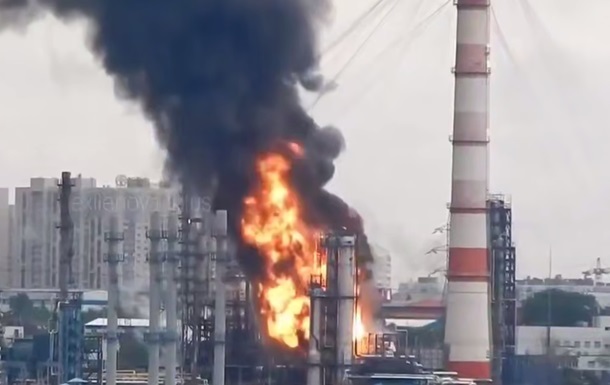
Growing public discontent and protest sentiments are rapidly spreading across the Russian Federation as trust in local authorities continues to collapse. According to the latest data released by the Center for Countering Disinformation (CCD) of the National Security and Defense Council of Ukraine, over 78% of organic comments on official government social media posts are highly negative. Russian citizens are openly accusing their leadership of lying, expressing deep skepticism over statements claiming ‘no significant damage’ to critical infrastructure following recent drone strikes.
The primary driver behind this sudden spike in public outrage was the successful Ukrainian drone strike on the Moscow Oil Refinery in Kapotnya, a major facility owned by Gazprom located just 15 kilometers from the Kremlin. Despite intense efforts by state-run media to downplay the incident, local residents witnessed massive fires and plumes of thick smoke blanketing the sky. According to CCD head Andriy Kovalenko, the Russian population is increasingly pointing out the military’s inability to secure the airspace even over the nation’s capital.
To make matters worse for the Kremlin, the subsequent introduction of fuel limits at Tatneft gas stations and a sudden transition to cash-only transactions triggered immediate panic in Moscow. Residents view these restrictions as a direct consequence of the damaged refinery, bracing themselves for severe fuel shortages, skyrocketing prices, and the potential reintroduction of Soviet-style rationing cards. This economic anxiety has severely dented the carefully cultivated illusion of normalcy in the capital.
Moreover, the psychological impact of these developments is highly visible in Russian online communities. Demoralization, exhaustion from the ongoing war, and a stark realization that the ruling elite is entirely detached from the reality of public safety are now dominant themes. Desperate for objective information, an increasing number of Russians are turning to Ukrainian Telegram channels and online platforms to find authentic footage and reports of strikes within Russia, completely bypassing state-controlled propaganda.
Ultimately, the physical vulnerability of Russia’s energy infrastructure is directly translating into the erosion of the Kremlin’s domestic narrative. Despite years of aggressive censorship, the stark reality of burning industrial giants and looming fuel crises is proving far more persuasive than official propaganda, setting the stage for deeper internal destabilization.