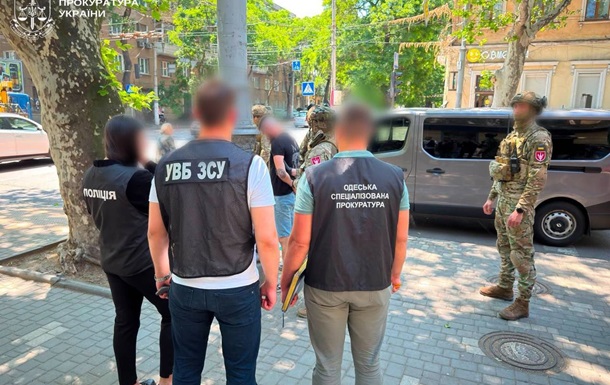
A major anti-corruption operation in Odesa has exposed yet another high-level bribery scheme within Ukraine’s military enlistment and medical evaluation infrastructure. According to an official statement [published](https://t.me/pgo_gov_ua/38238) by the Office of the Prosecutor General on Telegram, a 33-year-old reserve battalion officer was detained for allegedly extorting $23,000 from an active-duty serviceman. In exchange for this substantial sum, the suspect promised to leverage his influence over the military medical commission (MMC) to secure a medical discharge based on unfitness for service.
Investigations revealed that the officer approached the soldier in June, offering to facilitate a repeat medical examination. He claimed to possess close ties with medical board officials who could easily overturn previous findings of fitness and draft a fraudulent diagnosis. Law enforcement arrested the suspect red-handed while accepting the bribe. The cash, along with his personal vehicle and mobile phone, was seized as material evidence. The suspect now faces charges under Article 369-2 of the Criminal Code of Ukraine, carrying a potential sentence of up to eight years in prison with asset confiscation. Currently, he has been placed under 24/7 house arrest.
The sheer scale of the bribe—$23,000—highlights the highly lucrative nature of the underground mobilization-evasion market. Such incidents are not isolated. Recently, a female physician serving on a military medical commission in Kharkiv Oblast was detained for arranging fake pregnancies to help soldiers secure administrative discharges. Concurrently, security services dismantled eight other evasion networks across the country, leading to the arrest of over 20 suspects.
These recurring scandals threaten to undermine public trust in Ukraine’s military and state institutions during a critical phase of the war. Security analysts argue that combating this corruption requires more than just arrests; it demands deep structural reforms. Key recommendations include the comprehensive digitalization of medical records, removing the ‘human element’ from MMC decision-making, and establishing independent, transparent oversight. Without these structural changes, individual bribe-takers will continue to exploit loopholes, damaging frontline morale and complicating Ukraine’s mobilization efforts.