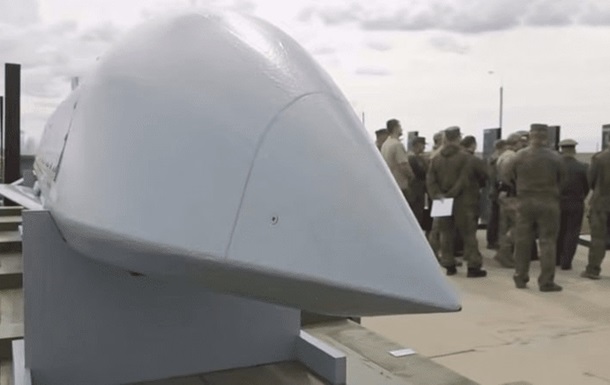
During the combined air assault on Kyiv on June 15, Russian forces deployed a new jet-powered loitering munition known as the “Banderol,” as reported by the primary source RBC-Ukraine. This weapon represents a hybrid technology, combining the structural design of a maneuverable drone with the speed of a small-sized jet cruise missile. It features an operational range of up to 500 kilometers and carries a highly destructive warhead weighing 150 kilograms, representing a tactical step forward in Russia’s attack capabilities.
Technical Specifications and Global Sourcing
The system was designed by the Moscow-based Kronstadt enterprise, a sanctioned developer also responsible for military UAVs such as the Orion, Sirius, and Grom. Unlike conventional, slow-moving suicide drones, the Banderol achieves speeds of up to 500 km/h and can perform high-speed maneuvers with a tight turning radius, presenting a sophisticated challenge for Ukrainian air defense units.
An analysis of the downed debris revealed a deeply concerning level of reliance on foreign commercial components. The drone’s propulsion system is a Chinese-made Swiwin SW800Pro jet engine, which is primarily manufactured for model aviation and can be easily purchased on retail platforms like AliExpress for approximately $16,000. Additionally, the weapon utilizes Japanese Murata batteries, South Korean Dynamixel servos, and nearly two dozen microchips manufactured by companies in the United States, Switzerland, and South Korea. Most of these components find their way to Russia through Chip & Dip, one of Russia’s largest electronics distributors.
Tactical Limits and Expert Assessments
Tactically, the Banderol is launched from the Russian Orion reconnaissance drone or adapted Mi-28N helicopters. Once released, the jet engine ignites, its wings deploy, and the guidance is assisted by highly jam-resistant Russian Kometa-M antennas. However, aviation expert Kostyantyn Kryvolap notes that the Banderol is unlikely to see mass production. It is estimated to be three times more expensive than the Iranian-designed Shahed drone. Furthermore, its reliance on specific launch platforms, such as helicopters or large UAVs, makes the launch platforms vulnerable to interception. Nonetheless, the deployment of the Banderol underscores the urgent need for Western allies to implement stricter export controls on commercial dual-use electronics to halt Russia’s rapidly evolving defense manufacturing.