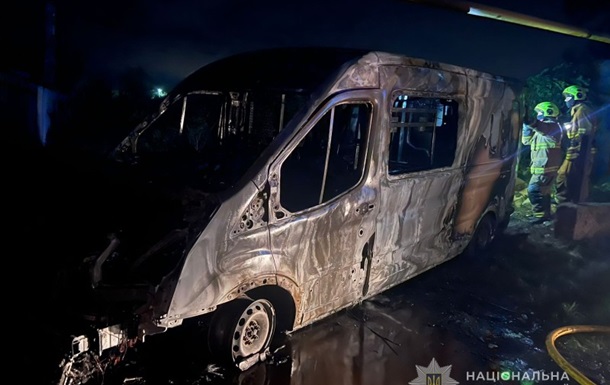
As Ukraine counters relentless frontline pressure and massive missile strikes, Russian intelligence agencies continue to employ hybrid tactics to destabilize the country’s rear areas. Recently, law enforcement officers in the Odesa region detained a 25-year-old man suspected of setting fire to a microbus belonging to a Ukrainian serviceman. According to a report published by the Main Directorate of the National Police in the Odesa Region, the incident occurred in early May in one of the settlements of the Dachne community in the Odesa district, where a 35-year-old military officer reported his leased Ford microbus was set ablaze.
The subsequent investigation by the Security Service of Ukraine (SBU) and the National Police revealed a troubling narrative. The suspect, a local resident, had previously deserted his military unit. While hiding from authorities and actively searching for quick income through anonymous messaging apps, he was contacted by Russian handlers. The orchestrators offered him a reward of 20,000 UAH (approximately $500) to target and burn Ukrainian military vehicles. The young man carried out the arson, but the promised financial reward never materialized, as the handlers ceased all contact once the task was completed.
This case highlights a growing and dangerous trend in Russia’s asymmetric warfare strategy. Instead of relying solely on trained operatives, Russian special services increasingly exploit vulnerable individuals—such as deserters, marginalized youth, or people facing severe financial hardship—to carry out low-cost, high-impact acts of sabotage. By organizing the arson of military transport and critical infrastructure like railway relay cabinets, Moscow aims to disrupt logistics and manufacture a false narrative of widespread internal resistance against the military.
The suspect now faces serious legal consequences. His actions have been classified under Part 1 of Article 114-1 of the Criminal Code of Ukraine, which covers the obstruction of the lawful activities of the Armed Forces of Ukraine and other military formations during a special period. If convicted, the deserter faces up to eight years in prison. Ukrainian law enforcement agencies continue to warn citizens about the dangers of online recruitment schemes, urging the public to remain vigilant against suspicious offers of fast cash that serve as traps laid by enemy intelligence to undermine national security.