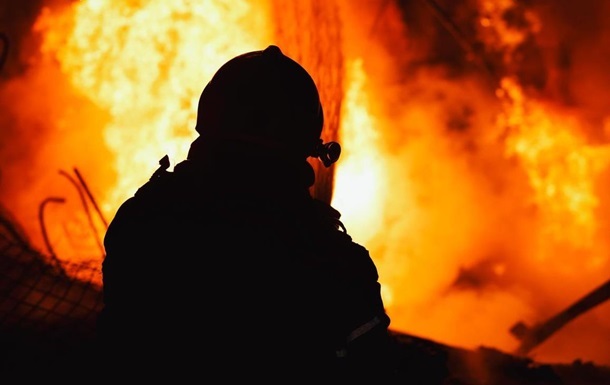
During a calculated Russian double-tap strike on Kharkiv, five rescuers from the State Emergency Service (SES) were tragically killed while extinguishing a fire, with at least five others sustaining moderate to severe injuries. This devastating incident, occurring overnight on Monday, June 15, was confirmed by Ukraine’s Minister of Internal Affairs, Ihor Klymenko. The Minister expressed his deepest condolences to the families of these ‘heroes without weapons’ who sacrificed their lives to save civilians.
The deployment of the ‘double-tap’ tactic—where an initial strike is followed by a second precision strike shortly after, targeting the first responders who rush to the scene—has become a hallmark of Russian warfare in Ukraine. This practice is not an accidental byproduct of urban warfare; it is a deliberate, premeditated strategy aimed at neutralizing rescue workers, firefighters, and medical personnel. Under the Geneva Conventions, such actions are classified as egregious war crimes, violating the basic tenets of international humanitarian law.
Kharkiv has been subjected to relentless, multi-layered aerial assaults. Russian forces utilize a combination of glide bombs, S-300 missiles, and kamikaze drones to decimate both housing estates and historic sites. Recently, the city suffered heavily when Russian forces struck a historical art repository, highlighting a systematic campaign of cultural destruction. Additionally, a series of overnight attacks on industrial and residential areas, including the Kholodnohirsky district, have severely crippled local infrastructure and left numerous civilians wounded.
Simultaneously, Russian forces launched a coordinated drone and missile campaign against the capital. According to Klymenko, the primary vector of overnight strikes was directed at Kyiv, resulting in substantial damage to residential infrastructure and triggering emergency blackouts.
To halt this ongoing horror, military analysts emphasize that defensive measures alone are insufficient. Ukraine urgently requires advanced air defense capabilities and, crucially, the authorization from international partners to strike military infrastructure and launch sites deep inside Russian territory. Without the ability to neutralize the threat at its source, Ukrainian first responders and civilians will continue to bear the tragic cost of this brutal conflict.