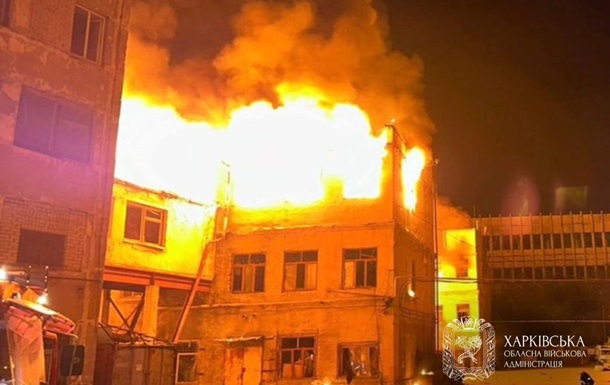
In the early hours of Monday, June 15, Russian forces launched another devastating strike on Kharkiv, leaving three civilians injured, two of whom are currently in critical condition. According to the head of the Kharkiv Regional Military Administration, Oleh Syniehubov, who reported the incident via Telegram, emergency services and medical personnel responded immediately to the scene of the explosions to provide life-saving assistance.
The attack primarily targeted the city’s Kholodnohirskyi district, a key industrial and transport hub. Two men, aged 30 and 40, sustained severe blast injuries and were rushed to a local hospital, where surgeons are fighting to stabilize them. Later reports confirmed a third casualty, a 36-year-old man, who received medical treatment on-site. Local authorities are still assessing the physical damage caused by the shockwaves and shrapnel in the residential and commercial areas nearby.
This latest escalation follows a worrying pattern of systematic shelling aimed at both civilian infrastructure and the historical identity of Kharkiv. Just hours prior, on Sunday evening, Russian forces targeted the Kyivskyi district and struck the Kharkiv Art Museum, damaging priceless cultural heritage. This was immediately followed by a targeted strike on an industrial facility in the Kholodnohirskyi district. This combination of economic sabotage and cultural terrorism highlights Moscow’s strategy to make Ukraine’s second-largest city uninhabitable.
Military analysts point out that Kharkiv’s close proximity to the Russian border allows the Kremlin to utilize short-range ballistic missiles and guided aerial bombs with minimal warning times. This persistent vulnerability underscores the critical necessity for advanced air defense capabilities. Without robust protection, such as additional Patriot missile batteries, Kharkiv’s civil and industrial infrastructure remains highly exposed.
The international community continues to face urgent calls from Ukrainian officials to expedite the delivery of air defense systems. As Kharkiv demonstrates immense resilience amid daily bombardments, the physical safety of its citizens depends entirely on the speed and scale of Western military assistance.