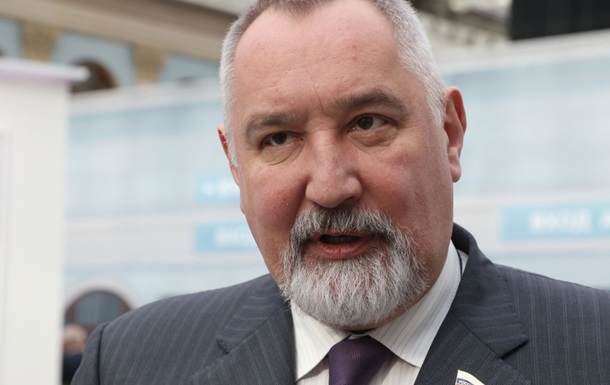
In a shocking escalation of hybrid threats, Russian Federation Council member and former head of Roscosmos Dmitry Rogozin has proposed installing explosives on the country’s “shadow fleet” oil tankers. According to a report by The Moscow Times, Rogozin suggested detonating these vessels if they are detained or forced to dock in foreign ports. This extreme proposal highlights Moscow’s growing desperation in protecting its illicit oil trade from Western sanctions.
The senator’s comments came in response to a major naval operation in the English Channel, where the UK Royal Navy intercepted the Russian shadow tanker Smyrtos. The 244-meter vessel, flying the Cameroon flag, was sailing from the Russian port of Ust-Luga when it was boarded. The vessel is currently blacklisted under EU and Swiss sanctions. Commanded under the direct authority of UK Prime Minister Keir Starmer and assisted by French maritime security, the six-hour operation resulted in the ship being detained off the southern coast of England pending an investigation. Prime Minister Starmer hailed the operation as a decisive blow to the Kremlin’s war chest, targeting the entities that fund the invasion of Ukraine.
Russia’s dependence on its shadow fleet has grown exponentially since the 2022 invasion. Comprising approximately 1,300 vessels as of 2025, according to the Royal United Services Institute (RUSI), this aging fleet handles up to 70% of Russia’s maritime oil exports. These vessels often operate without proper insurance and under flags of convenience, posing massive environmental risks even without explosive payloads.
Rogozin’s rhetoric takes the threat to an unprecedented level, effectively proposing state-sponsored maritime terrorism. Detonating a fully loaded oil tanker in busy shipping lanes like the English Channel would trigger an ecological and economic catastrophe of global proportions. While potentially a bluff, such statements underscore the lengths to which the Kremlin is willing to go to maintain its vital energy revenues. For Western allies, this incident emphasizes the urgent need not only to enforce strict sanctions but also to prepare for hostile, asymmetrical responses from Russia as its primary source of military funding comes under direct threat.