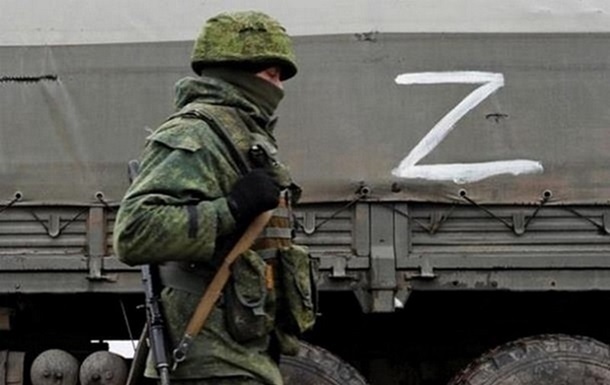
Russian dictator Vladimir Putin has signed a new decree to increase the nominal strength of the Russian Armed Forces to 2,399,130 personnel, with the active military component expanding to 1.51 million. The official document, published by the Ministry of Defense of the Russian Federation, underscores Moscow’s long-term commitment to its war of attrition against Ukraine and its preparation for a prolonged confrontation with Western allies. This represents the second major adjustment to the military’s official roster in just four months, highlighting the Kremlin’s urgent need to formalize troop levels amid staggering battlefield casualties.
During a meeting with veterans of the so-called “special military operation” on the same day, Putin claimed that approximately 700,000 Russian troops are currently deployed in Ukraine. This figure highlights the massive scale of the invasion force compared to pre-war numbers. Prior to February 2022, the entire Russian military stood at around 1.9 million personnel, including just over one million active-duty troops. The rapid inflation of these numbers points to heavy mobilization efforts masked as voluntary enlistment drives, as well as a desperate restructuring of command systems to sustain high-intensity combat operations.
Military analysts suggest that adding 8,000 personnel compared to the March 2026 baseline is a bureaucratic maneuver to legalize existing paramilitary formations and volunteers rather than a new mobilization wave. However, the continuous expansion of the military comes at a massive cost to the Russian federal budget, which is increasingly consumed by defense spending. To offset these economic strains and boost domestic morale, the Russian leadership routinely pairs manpower announcements with technological and strategic threats.
In his speech to the veterans, Putin also made bold assertions regarding Russia’s space capabilities, claiming that the country is developing a satellite constellation designed to rival and eventually surpass SpaceX’s Starlink system. Despite these lofty promises, international experts remain highly skeptical, pointing out that severe Western sanctions and a shortage of critical microelectronics heavily restrict Russia’s high-tech manufacturing potential. Combined with renewed threats of intensified strikes on Ukrainian critical infrastructure, these declarations serve as a dual-track strategy of intimidation and domestic propaganda aimed at projecting strength.