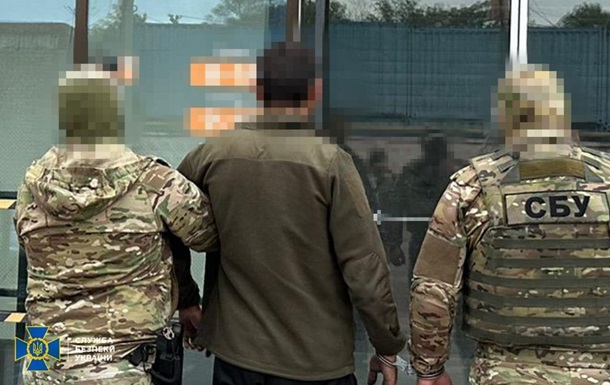
On Friday, June 12, the Security Service of Ukraine (SBU) announced the detention of an enemy agent in Odesa who registered Starlink satellite communication terminals for Russian occupying forces. The perpetrator, a local loader seeking quick cash on Telegram channels, caught the attention of Russian intelligence services and became a key cog in their illegal procurement scheme.
The operation devised by the Russian handlers was tactical yet straightforward. The suspect first registered a Starlink terminal under his own name, subsequently handing over all access credentials to his Russian handler. Following further instructions, he began recruiting his acquaintances under various false pretenses to verify additional stations. In total, the agent managed to exploit at least 12 individuals to expand the illegal network. SBU officers systematically documented his hostile activities, arrested the suspect at his residence, and immediately deactivated all registered terminals, neutralizing the potential security threat.
This incident highlights a broader, systemic issue that Ukraine faces along the frontlines. Deprived of high-tech domestic communication systems, Russian forces have repeatedly attempted to bypass international sanctions and acquire Starlink terminals via front companies and recruited agents within Ukraine. Similar recruitment operations have been shut down in other major cities. In Kyiv, a military deserter attempted to register Starlink terminals for Russian use by recruiting up to 20 accomplices. In Izmail, unemployed individuals and drug-addicted citizens were paid as little as $30 to hand over their personal data for the verification of terminals destined for Russian troops.
Mitigating these vulnerabilities requires close collaboration between the Ukrainian government and SpaceX. Previously, Ukraine’s Ministry of Defense worked directly with SpaceX engineers to deploy advanced verification protocols, successfully shutting down hundreds of illegally obtained terminals. Such measures have significantly hindered Russian reconnaissance and command operations, causing noticeable logistics disruptions on the battlefield.
The detained Odesa resident has been charged with high treason committed by a group of persons under martial law (Part 2, Article 28 and Part 2, Article 111 of the Criminal Code of Ukraine). If convicted, he faces life imprisonment with confiscation of property. The SBU’s swift action underscores Ukraine’s zero-tolerance policy toward collaboration and the high price of compromising national security for financial gain.