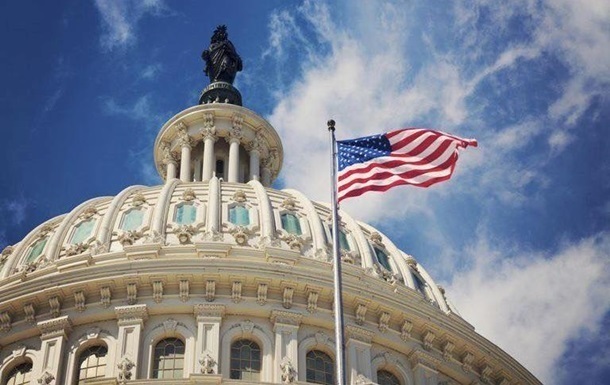
The US Senate Armed Services Committee has approved its version of the National Defense Authorization Act (NDAA), which allocates $750 million in military aid to Ukraine and proposes a symbolic renaming of the Department of Defense back to the Department of War. According to a report by Reuters, citing sources close to the committee, this move reflects both a strong legislative commitment to supporting Ukraine and deep ideological shifts within the American political landscape.
The allocated $750 million is slated for the Ukraine Security Assistance Initiative (USAI). Unlike the Presidential Drawdown Authority (PDA), which allows the transfer of weapons directly from existing US military stockpiles, USAI funding is used to sign long-term procurement contracts with American defense manufacturers. This mechanism guarantees a steady and predictable supply of modern weapons, ammunition, and equipment tailored specifically for the long-term strategic needs of the Ukrainian Armed Forces. Furthermore, the draft defense bill prohibits the use of any federal funds to recognize Russian sovereignty over occupied Ukrainian territories and mandates US intelligence agencies to continue providing robust intelligence support to Kyiv to aid in the defense and liberation of these lands.
The most controversial aspect of the bill is the proposal to rename the Pentagon. The Senate committee backed Donald Trump’s initiative to rename the Department of Defense to the “Department of War” — a historical name that the agency held prior to the National Security Act of 1947. This proposal has already received support from the House Armed Services Committee. Proponents, mostly Republicans, argue that reverting to the historical name projects strength and clearly defines the department’s core national security mission. However, Congressional Democrats strongly oppose the initiative, viewing it as a needlessly aggressive rebranding that could send a destabilizing message to international allies.
Despite clearing this critical committee hurdle, the NDAA still faces a lengthy legislative journey. The bill must undergo full floor votes in both the Senate and the House of Representatives. Subsequently, lawmakers must resolve differences between the two versions in a conference committee before the finalized legislation is sent to the US President for final signature or veto. Nonetheless, the inclusion of robust funding for Ukraine and strict sovereignty protections highlights Washington’s enduring bipartisan consensus on resisting Russian aggression.