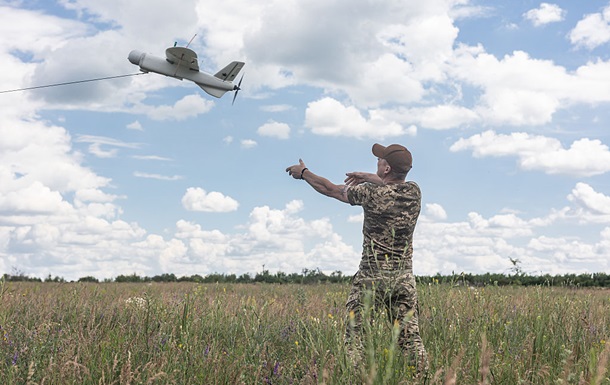
The Armed Forces of Ukraine have initiated a highly sophisticated and effective phase of drone warfare, shifting focus from deep strategic oil refinery raids to the methodical destruction of local tactical supply lines. According to official reports by the Ministry of Defense of Ukraine, this calculated interdiction campaign has successfully paralyzed key Russian transport arteries, triggered acute fuel shortages in occupied Crimea, and forced the enemy command to ration artillery ammunition along the southern front lines.
The ‘Highway of Life’ Turned Death Trap
The primary lifeline for Russian forces in southern Ukraine is the R-280 ‘Novorossiya’ highway, linking Rostov-on-Don to Mariupol, Melitopol, and Simferopol. Clement Molin, an OSINT researcher at the French analytical center Atum Mundi, describes this highway as ‘the backbone of the Russian occupation in the south.’
However, Ukrainian FPV drone operators have turned this vital corridor into a high-risk zone. Since early May, Ukrainian unmanned aerial vehicles—including those equipped with machine vision technology—have targeted approximately 300 cargo trucks, including over 30 heavy fuel tankers. The staggering rate of logistical losses prompted the occupation authorities in early June to officially ban regular and irregular passenger transport along the R-280 and R-150 routes. This drastic measure serves as a tacit admission that Russian forces can no longer secure the airspace over their critical rear supply lines.
The Isolation of Crimea
The disruption of mainland logistics immediately reverberated across the Crimean Peninsula. With ferry services severely disrupted by precision strikes and traffic on the Kerch Bridge constantly restricted due to security alarms, the bottlenecking of the land corridor has resulted in widespread fuel deficits.
To further tighten the chokehold, Ukrainian forces resumed strikes on key transit infrastructure. Successful drone strikes on June 7 and 9 targeted the Chongar Bridge, forcing Russian occupation administrators to divert remaining military and civilian traffic through Armiansk. Ukrainian forces reportedly utilized advanced domestic equipment during these operations, including the ‘Begemot’ heavy kamikaze drone, which was first introduced by Ukrainian manufacturers in late May.
Russian Artillery Rationing
The logistical paralysis in the rear has directly degraded Russian frontline capabilities. Vladyslav Voloshyn, a spokesperson for the Southern Defense Forces, confirmed that successful strikes on ammunition depots and transport columns have forced Russian artillery units to introduce strict consumption limits.
This ammunition shortage has largely brought an end to Russia’s notorious ‘creeping barrage’ tactic, where entire areas were pulverized by relentless artillery fire. Instead, Russian forces are increasingly relying on guided aerial bombs (KABs) to compensate for their lack of artillery shells.
This strategy of logistical strangulation exemplifies asymmetric warfare at its finest. By utilizing cost-effective drone technology, Ukraine is successfully severing the veins of the Russian military apparatus, neutralizing the enemy’s material superiority on the battlefield.