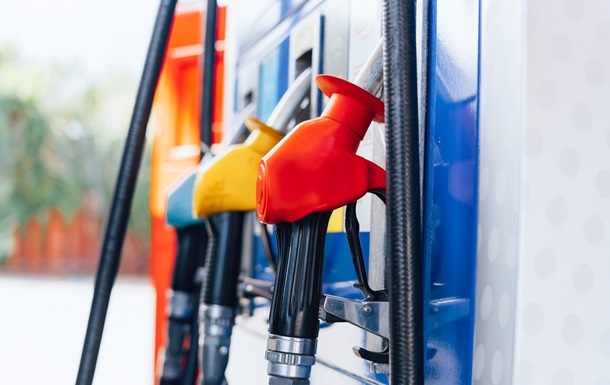
At least 25 regions of the Russian Federation, excluding the temporarily occupied territories of Ukraine, are currently facing severe gasoline shortages and fuel supply disruptions triggered by systemic Ukrainian drone strikes on oil infrastructure. This development was reported by the independent media outlet “7×7,” which highlighted a rapid expansion of the crisis. Just weeks prior, only 15 regions experienced such shortages. In addition to Russian territory, severe fuel restrictions are active in six occupied regions of Ukraine, including Crimea, Sevastopol, and the Donetsk, Luhansk, Kherson, and Zaporizhzhia oblasts, where fuel is a critical military asset.
The primary driver of the domestic fuel crisis is the highly effective campaign of Ukrainian drone strikes targeting Russian refinery plants. According to data compiled by Bloomberg, Russian refineries suffered at least 38 attacks between January and May of this year. May witnessed a significant escalation with 16 strikes, marking the highest monthly frequency since the beginning of the full-scale war. The physical damage to refining units has severely crippled production. Analysis by OilX reveals that Russian refinery runs have decreased by 14% since the beginning of the year, remaining approximately 20% below pre-war baselines.
The official response from Russian regional leadership has been highly inconsistent, ranging from reluctant admissions to outright denial. The acting governor of the Belgorod region, Alexander Shuvaev, publicly acknowledged the ongoing fuel delivery issues. Conversely, the governor of the Krasnodar region, Veniamin Kondratyev, dismissed the panic as “artificial hype.” Despite his reassurance, the ground reality tells a different story: at least 15 major gas stations in the Krasnodar Krai were forced to temporarily suspend fuel sales due to depleted reserves.
Industry experts emphasize that the relentless drone campaign has pushed Russia’s oil refining volumes down to their lowest level since 2009. Ukrainian forces have successfully struck 8 out of Russia’s 10 largest refineries. Due to Western sanctions restricting access to specialized technology and spare parts, Russia faces immense challenges in repairing these highly complex facilities. As a result, the deep disruption of the domestic fuel market is set to worsen, further straining the Kremlin’s economic stability and its ability to sustain prolonged military operations.