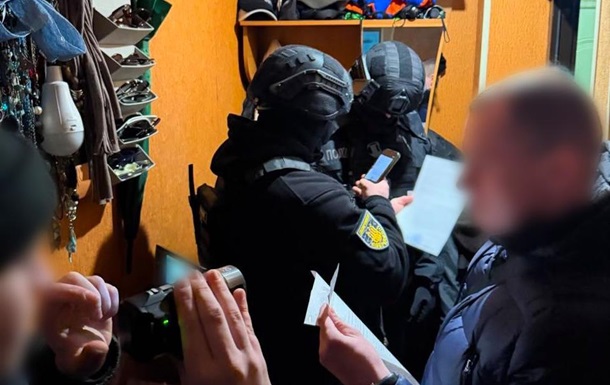
As reported by the National Police of Ukraine, law enforcement officers in Kyiv have dismantled a highly cynical fraudulent scheme orchestrated by an 18-year-old male. The suspect targeted active-duty soldiers of the Armed Forces of Ukraine (AFU) by selling them non-existent pickup trucks and off-road vehicles. Over an eight-month period, the perpetrator managed to defraud at least four servicemen, causing financial damage estimated at 590,000 UAH.
The suspect operated by posting appealing advertisements on popular online marketplaces, offering utility vehicles imported from abroad. Knowing the critical needs of frontline units, he selected high-demand vehicles, such as pickup trucks and vans painted in military green or camouflage. These vehicles are vital for tactical mobility, cargo delivery, and casualty evacuation on the active front line.
To gain the trust of desperate buyers who had no physical way to inspect the vehicles, the suspect utilized identity theft. He provided prospective buyers with images of stolen passports and other identification documents belonging to third parties. Once the terms were agreed upon, the military personnel transferred down payments to bank accounts held by proxy individuals. As soon as the funds were deposited, the 18-year-old withdrew the cash from local ATMs and cut off all communication, leaving the soldiers without funds and without the vehicles they so desperately needed.
This incident highlights a disturbing trend of local opportunistic crimes targeting Ukraine’s defense efforts. In wartime, vehicles are not luxury items; they are consumable supplies with a very short lifespan on the active battlefield. Defrauding active combatants of logistics funds directly compromises operational security and undermines public morale.
Kyiv investigators have officially notified the suspect of charges under the Ukrainian Criminal Code for large-scale fraud. If convicted, the teenager faces up to eight years in prison. The police are continuing their investigation to identify any other potential victims of this scheme. This case serves as a stark reminder of the urgent need for stricter verification procedures on online platforms and higher vigilance when transferring military aid funds to unverified private sellers.